
- Home
- /
- Hypertensive Kidney Disease Management
Hypertensive Kidney Disease Management in Raipur

Dr. Karan Saraf
Nephrologist, Raipur
Specialty
Nephrology & Kidney Transplant
Education
MBBS, MD - General Medicine, DM - Nephrology
Base
Raipur, Chhattisgarh
Hypertensive Kidney Disease Management
Hypertensive Kidney Disease Management in Raipur
High blood pressure is common, but it should not be ignored. When blood pressure stays high for a long time, it can put extra pressure on the blood vessels inside the kidneys. Over time, this may affect the kidneys’ ability to filter blood properly. At the same time, kidney damage can also make blood pressure more difficult to control. This creates a cycle in which high blood pressure and kidney problems can affect each other.
Hypertensive Kidney Disease Management in Raipur focuses on understanding this connection and managing both blood pressure and kidney health. At Dr. Karan’s Kidney Care Clinic, Raipur, Dr. Karan Saraf, Senior Consultant Nephrologist & Kidney Transplant Physician, provides nephrology care based on the patient’s condition, reports and medical needs.
The right approach is different for every patient. Kidney function, blood pressure readings, urine reports, diabetes status, current medicines and other health conditions all need to be considered.
- 15+ years in clinical nephrology
- Gold medalist, DM Nephrology
- Published researcher, national & international journals
- 100% kidney transplant success rate
About the Doctor
Meet Dr. Karan Saraf
Dr. Karan Saraf is a Senior Consultant Nephrologist and Kidney Transplant Physician with specialized expertise in kidney care. His focus is on understanding each patient’s condition and providing treatment based on their individual medical needs.
Kidney problems can be different for every person. Some patients may have an abnormal kidney test but no symptoms, while others may have swelling, changes in urination, high blood pressure, or reduced kidney function.
As an experienced Nephrologist in Raipur, Dr. Karan Saraf evaluates the patient’s medical history, symptoms, previous reports, medicines, and other health conditions before planning further care.
Patients looking for the Best Nephrologist in Raipur Chhattisgarh can receive personalized guidance for both new kidney concerns and existing kidney conditions requiring regular follow-up.
What Is Hypertensive Kidney Disease?
Hypertensive kidney disease refers to kidney problems associated with long-term high blood pressure.
The kidneys have an important job. They filter the blood and remove waste and extra fluid through urine. They also play a role in maintaining fluid and mineral balance and helping regulate blood pressure.
When blood pressure remains high, it can damage the small blood vessels that supply the kidneys. Over time, this damage may affect kidney function. In some people, kidney disease can then contribute to higher blood pressure because the kidneys may have difficulty managing salt and fluid properly.
This is why Hypertensive Kidney Disease Management in Raipur involves more than simply checking a blood pressure reading. It also requires attention to kidney function and other factors that may affect overall health.
How High Blood Pressure Affects the Kidneys
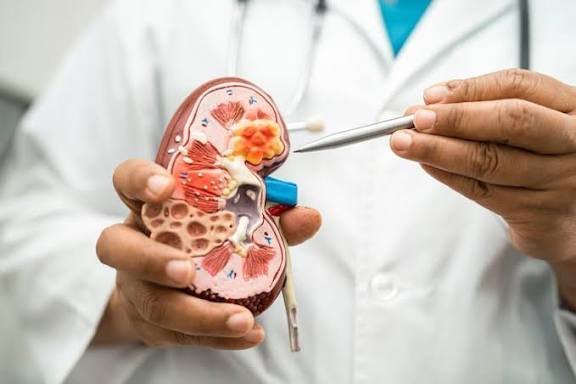
Think of the kidneys as a natural filtering system. Blood passes through tiny blood vessels and filtering units inside the kidneys.
If the pressure inside those blood vessels stays high for a long time, the vessels can become damaged. As kidney function changes, the body may have more difficulty removing extra salt, water and waste.
This can lead to a difficult cycle:
High blood pressure → kidney damage → reduced kidney function → further difficulty controlling blood pressure
This does not happen in exactly the same way for every patient. However, long-term high blood pressure is an important risk factor for kidney disease.
For this reason, proper Hypertensive Kidney Disease Management in Raipur should include both blood pressure care and kidney monitoring.
Signs and Symptoms of Hypertensive Kidney Disease
High blood pressure itself often does not cause noticeable symptoms. A person can have high blood pressure for years without knowing it.
Kidney disease can also develop without obvious symptoms in its early stages. As kidney function becomes more affected, some people may experience:
- Swelling in the feet or ankles
- Puffiness around the eyes
- Changes in urination
- Foamy urine
- Tiredness or weakness
- Poor appetite
- Nausea
- Itchy or dry skin
- Shortness of breath
- Blood pressure that becomes difficult to control
These symptoms do not automatically mean that a person has hypertensive kidney disease. Other health problems can cause similar symptoms. Proper testing is needed to understand the reason.
Why Early Kidney Evaluation Matters
Kidney problems may progress quietly. That is one reason people with long-term high blood pressure should not rely only on symptoms.
A Kidney Specialist in Raipur can assess blood pressure along with kidney-related blood and urine tests. This provides a better picture of what is happening inside the body.
Early evaluation can help identify changes in kidney function and allow the doctor to review possible causes and risk factors. It also gives patients an opportunity to understand their condition and follow an appropriate care plan.
The goal is not to create fear. Instead, regular monitoring helps patients make informed decisions about their kidney health.
How Is Hypertensive Kidney Disease Diagnosed?
There is no single test that can explain every kidney problem. A doctor may use several pieces of information together.
Blood Pressure Measurement
Regular blood pressure measurements help determine whether blood pressure is staying high and whether treatment needs to be reviewed.
In some cases, home blood pressure readings may also provide useful information. Your healthcare provider can explain how to measure blood pressure correctly.
Blood Tests
Blood tests can help assess kidney function. Creatinine is one commonly measured substance, and it can be used to estimate how well the kidneys are filtering blood.
eGFR
eGFR, or estimated glomerular filtration rate, is an estimate of kidney filtering function. It helps doctors understand the level of kidney function and monitor changes over time.
Urine Tests
Urine testing can check for protein, albumin, blood and other abnormalities.
Protein or albumin in the urine can provide useful information about kidney health.
Imaging
If required, the doctor may suggest imaging such as an ultrasound or another appropriate test. The choice depends on the patient’s symptoms, medical history and examination.
When Should You See a Kidney Specialist?
A Kidney Specialist in Raipur may be helpful if you have long-term high blood pressure along with signs of possible kidney problems.
Consider discussing kidney evaluation with a doctor if you have:
- Abnormal creatinine
- Reduced eGFR
- Protein or albumin in urine
- Repeatedly high blood pressure
- Blood pressure that is difficult to control
- Swelling in the feet or face
- Changes in urination
- Diabetes along with hypertension
- A known history of kidney disease
A Nephrologist in Raipur can review your medical history, examination findings and test reports to determine whether further kidney evaluation is needed.
Hypertensive Kidney Disease Management in Raipur
Hypertensive Kidney Disease Management in Raipur is planned according to each patient’s condition.
There is no single treatment plan that works for everyone. Dr. Karan Saraf may consider:
- Current blood pressure readings
- Kidney function
- Urine test results
- Diabetes status
- Current medicines
- Other medical conditions
- Previous medical reports
- Changes in kidney function over time
The main aim is to manage the factors affecting kidney health while keeping the patient’s overall condition in mind.
Blood Pressure Control
Blood pressure control is an important part of Hypertensive Kidney Disease Management in Raipur.
Depending on the patient’s condition, a doctor may recommend lifestyle changes, medicines or a combination of both. The choice of medicine depends on factors such as kidney function, blood pressure levels, diabetes and other medical conditions.
Patients should not start, stop or change blood pressure medicines without speaking with their doctor.
Kidney Function Monitoring
Kidney function can change over time. Therefore, one report may not tell the complete story.
Regular follow-up allows a Nephrologist in Raipur to compare current results with previous reports and understand whether kidney function is stable or changing.
Managing Diabetes
Diabetes can also affect kidney health. When diabetes and high blood pressure occur together, both conditions may need attention.
If a patient has diabetes, blood sugar control becomes an important part of the overall kidney care plan.
Monitoring Urine Protein
Protein or albumin in urine can be a sign of kidney damage. If a urine test shows an abnormal result, the doctor may recommend further evaluation or repeat testing.
This is one reason a Kidney Doctor in Raipur may review blood and urine reports together rather than looking at only one result.
Blood Pressure and Kidney Health
Blood pressure and kidney health are closely connected.
The kidneys help regulate fluid and salt levels in the body. When kidney function decreases, the body may have difficulty handling extra fluid and salt. This can contribute to higher blood pressure. At the same time, high blood pressure can cause further damage to the kidney’s blood vessels.
Therefore, Hypertensive Kidney Disease Management in Raipur often requires regular attention to both conditions.
Keeping a record of blood pressure readings can also help your doctor understand how your blood pressure changes over time.
Why Choose Us
Why Choose Dr. Karan Saraf?
Choosing a kidney specialist is an important decision, particularly when a condition requires long-term monitoring.
Dr. Karan Saraf is a Senior Consultant Nephrologist and Kidney Transplant Physician providing specialized kidney care in Raipur.
Experienced Kidney Specialist
Dr. Karan Saraf has more than 10 years of experience in nephrology and kidney transplant medicine. His practice focuses on the evaluation and management of kidney-related conditions.
Personalized Care
Every patient has different medical needs. Treatment recommendations are made according to the patient's symptoms, reports, medical history, and overall health.
Comprehensive Kidney Care
Patients can receive guidance for kidney disease, chronic kidney conditions, hypertension-related kidney problems, dialysis care, and kidney transplant-related concerns.
Patient-Friendly Approach
Medical information can sometimes be difficult to understand. Clear communication helps patients understand their condition and participate in treatment decisions.
When Should You See a Kidney Specialist?
A Kidney Specialist in Raipur may be helpful if you have long-term high blood pressure along with signs of possible kidney problems.
Consider discussing kidney evaluation with a doctor if you have:
- Abnormal creatinine
- Reduced eGFR
- Protein or albumin in urine
- Repeatedly high blood pressure
- Blood pressure that is difficult to control
- Swelling in the feet or face
- Changes in urination
- Diabetes along with hypertension
- A known history of kidney disease
A Nephrologist in Raipur can review your medical history, examination findings and test reports to determine whether further kidney evaluation is needed.
Kidney Care in Raipur and Nearby Areas
Dr. Karan’s Kidney Care Clinic is located at:
Main Road Avanti Vihar, Beside Navya Wheels, Geetanjali Colony, Shankar Nagar, Raipur – 492001
Patients from Raipur and nearby areas can visit the clinic for kidney-related concerns.
The clinic location may be convenient for patients from areas such as Avanti Vihar, Shankar Nagar, Geetanjali Colony, Telibandha, Pandri, Devendra Nagar, Civil Lines, Khamardih and Mowa.
If you are looking for a Kidney Doctor in Raipur because of high blood pressure or an abnormal kidney report, bring your previous medical reports and current medicine details to your consultation. This can help the doctor understand your medical history more clearly.
When Should You See a Kidney Doctor?
You do not have to wait for severe symptoms before discussing kidney health.
A Kidney Doctor in Raipur can be consulted when blood pressure remains difficult to control, kidney test results become abnormal, protein appears in urine or other signs suggest that kidney function may be changing.
A nephrology consultation may also be useful when diabetes, hypertension and kidney concerns occur together.
The exact evaluation depends on the patient’s health, test results and medical history.
Frequently Asked Questions
Hypertensive kidney disease refers to kidney damage linked to long-term high blood pressure. High blood pressure can put continuous pressure on the small blood vessels inside the kidneys. Over time, this may affect their ability to filter waste and extra fluid from the blood. Kidney disease can also make blood pressure harder to control, so both conditions often need to be managed together.
Yes. High blood pressure often does not cause noticeable symptoms. Kidney disease can also develop quietly in its early stages. This means a person may feel completely normal while changes are taking place. Regular blood pressure checks and appropriate kidney tests can help identify problems earlier.
If you have long-term hypertension, a Kidney Specialist in Raipur can help assess your kidney health based on your medical history and test results.
Early kidney disease may not cause clear symptoms. As kidney function changes, some people may experience swelling in the feet or ankles, changes in urination, foamy urine, tiredness, poor appetite, nausea or shortness of breath.
These symptoms can have many causes, so they do not confirm kidney disease by themselves. A Kidney Doctor in Raipur can recommend suitable blood and urine tests when kidney problems are suspected.
A doctor may use several tests to understand kidney health. Common tests include a blood creatinine test, eGFR and urine testing for albumin or protein. Blood pressure measurement is also an important part of the evaluation.
eGFR gives an estimate of how well the kidneys filter blood, while urine albumin testing can help identify signs of kidney damage. In some cases, imaging tests may also be required.
Consider consulting a Nephrologist in Raipur if you have long-term high blood pressure along with abnormal kidney test results, protein in urine, reduced eGFR, swelling, changes in urination or blood pressure that remains difficult to control.
A nephrologist can review your blood pressure, kidney function, urine reports, medicines and other health conditions to understand whether further kidney evaluation is needed.
Managing blood pressure is an important part of kidney care. High blood pressure can contribute to kidney damage, while good blood pressure management can help reduce the stress placed on the kidneys. Treatment may include lifestyle changes and prescribed medicines, depending on the patient's condition.
The appropriate blood pressure target can vary from person to person. Therefore, patients should follow the target advised by their healthcare professional rather than changing medicines or treatment on their own.
A Kidney Specialist in Raipur can evaluate whether high blood pressure is affecting kidney function and can also look for other possible causes of abnormal kidney results.
During an evaluation, the doctor may review blood pressure readings, creatinine, eGFR, urine protein or albumin, diabetes status, current medicines and previous medical reports. Based on these findings, the doctor can decide whether regular monitoring, further testing or changes in treatment are appropriate.
Yes, hypertensive kidney disease can often be managed with appropriate medical care. Management may include blood pressure control, regular kidney function monitoring, treatment of diabetes when present, prescribed medicines, dietary guidance and healthy lifestyle habits.
However, the treatment plan is different for every patient. A Kidney Doctor in Raipur will consider kidney function, blood pressure, urine results, medicines and other medical conditions before recommending a management approach.
It is worth discussing kidney health with your doctor, especially if you have long-term or poorly controlled high blood pressure. Kidney disease may not cause obvious symptoms in its early stages.
Blood and urine tests can provide information about kidney function and possible kidney damage. A Nephrologist in Raipur can advise which tests are appropriate based on your individual health and medical history
Yes. Both diabetes and high blood pressure are important risk factors for kidney disease. When a person has both conditions, controlling blood sugar and blood pressure becomes an important part of overall kidney care.
If you have diabetes along with hypertension or abnormal kidney reports, a Kidney Specialist in Raipur can assess your kidney function and help coordinate appropriate nephrology care.