
- Home
- /
- Dialysis Care
Best Dialysis Clinic in Raipur Chhattisgarh

Dr. Karan Saraf
Nephrologist, Raipur
Specialty
Nephrology & Kidney Transplant
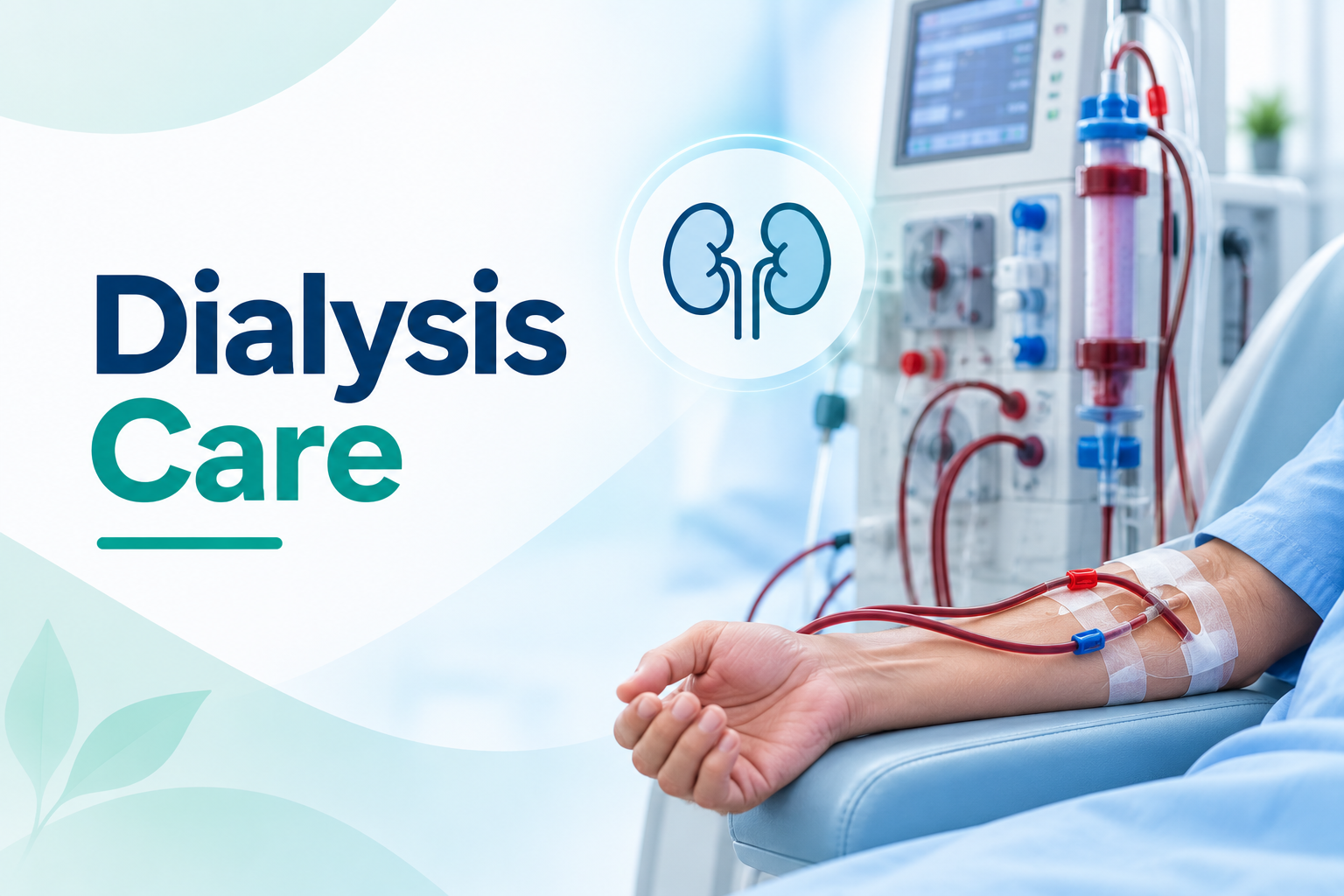
Dialysis Care
Best Dialysis Clinic in Raipur Chhattisgarh
When the kidneys are no longer able to remove enough waste, extra fluid and certain minerals from the blood, dialysis may be needed. Hemodialysis uses a machine and a special filter called a dialyzer to clean the blood and remove extra fluid. It can replace some of the work normally performed by healthy kidneys, but it does not cure kidney failure.
If you are looking for the Best Dialysis Clinic in Raipur Chhattisgarh, proper medical evaluation is an important part of choosing the right dialysis care. Dr. Karan Saraf is a Senior Consultant Nephrologist and Kidney Transplant Physician providing specialized care for patients with kidney disease, kidney failure and dialysis-related conditions.
Dialysis treatment is not the same for every patient. The treatment plan depends on kidney function, symptoms, blood test results, fluid balance, other medical conditions and the patient’s overall health.
- 15+ years in clinical nephrology
- Gold medalist, DM Nephrology
- Published researcher, national & international journals
- 100% kidney transplant success rate
About the Doctor
Meet Dr. Karan Saraf
Dr. Karan Saraf is a Senior Consultant Nephrologist and Kidney Transplant Physician with specialized expertise in kidney care. His focus is on understanding each patient’s condition and providing treatment based on their individual medical needs.
Kidney problems can be different for every person. Some patients may have an abnormal kidney test but no symptoms, while others may have swelling, changes in urination, high blood pressure, or reduced kidney function.
As an experienced Nephrologist in Raipur, Dr. Karan Saraf evaluates the patient’s medical history, symptoms, previous reports, medicines, and other health conditions before planning further care.
Patients looking for the Best Nephrologist in Raipur Chhattisgarh can receive personalized guidance for both new kidney concerns and existing kidney conditions requiring regular follow-up.
What Is Dialysis?
Dialysis is a treatment that helps remove waste products and extra fluid from the blood when the kidneys cannot perform these functions adequately.
Healthy kidneys continuously filter the blood and help maintain the body’s fluid and mineral balance. When kidney function becomes severely reduced, waste and extra fluid can build up in the body. Dialysis helps perform part of this filtering work.
There are two main types of dialysis:
- Hemodialysis
- Peritoneal dialysis
Kidney transplant is another treatment option for suitable patients with kidney failure. A Nephrologist in Raipur can discuss the available options based on the patient’s medical condition.
When Is Dialysis Required?
Not every person with kidney disease needs dialysis. Dialysis may be considered when kidney function becomes severely reduced and the body cannot safely manage waste, extra fluid, potassium or acid levels.
Doctors may consider dialysis based on:
- Kidney function
- Symptoms of kidney failure
- Blood test results
- Fluid buildup
- Electrolyte problems
- Overall health
- Response to other treatments
A Kidney Specialist in Raipur evaluates these factors before recommending dialysis.
For people with advanced kidney failure, dialysis or kidney transplantation may be required as kidney function becomes severely reduced.

Best Dialysis Treatment in Raipur
The Best Dialysis Treatment in Raipur is not simply about the dialysis session itself. Good kidney care also involves regular medical monitoring, medication management, diet guidance and attention to the patient’s overall health.
Depending on the patient’s condition, dialysis care may include:
- Hemodialysis management
- Kidney function monitoring
- Blood pressure monitoring
- Fluid management
- Medication review
- Electrolyte monitoring
- Dietary guidance
Dialysis access monitoring - Management of dialysis-related problems
- Regular nephrology follow-up
The treatment plan is adjusted according to the patient’s medical needs rather than following the same approach for everyone.
Hemodialysis in Raipur
Hemodialysis is a common form of dialysis. During the treatment, blood moves from the patient’s body through tubing into a dialysis machine. The blood passes through a dialyzer, which removes waste products and extra fluid before the filtered blood returns to the body.
The number and duration of dialysis sessions can vary depending on the patient’s condition and prescribed treatment plan.
For many people receiving in-center hemodialysis, treatment is commonly scheduled several times a week. However, the exact schedule should always be decided by the treating nephrologist.
Regular monitoring helps the doctor assess whether dialysis is adequately managing the patient’s fluid and waste levels.
Dialysis for Kidney Failure
Kidney failure means the kidneys have lost most of their ability to perform their normal functions. When kidney function becomes very low, patients may develop symptoms caused by the buildup of waste and extra fluid.
Treatment options for kidney failure can include:
- Hemodialysis
- Peritoneal dialysis
- Kidney transplant
- Conservative management in selected patients
The appropriate option depends on the individual’s medical condition and personal circumstances.
If you have been diagnosed with kidney failure, consulting a Kidney Doctor in Raipur can help you understand your treatment options and prepare for ongoing kidney care.
Dialysis for Acute Kidney Injury
Dialysis is not always a lifelong treatment.
Some patients develop acute kidney injury (AKI), where kidney function suddenly decreases over hours or days. In severe cases, temporary dialysis may be required while the kidneys are being treated and given an opportunity to recover.
Whether dialysis is required and how long it continues depends on the cause and severity of the kidney injury and the patient’s response to treatment.
This is why kidney function should be monitored regularly during Dialysis Care in Raipur.
What Does Dialysis Care Include?
Dialysis is only one part of managing advanced kidney disease. Patients often need continued medical care between dialysis sessions.
Kidney Function Monitoring
Blood tests help doctors monitor kidney function and assess important substances such as creatinine, potassium and other electrolytes.
Regular monitoring allows the treatment plan to be adjusted when required.
Blood Pressure Management
Kidney disease and blood pressure are closely connected. Patients receiving dialysis may need regular blood pressure monitoring.
Your doctor may adjust medicines or other parts of the treatment plan according to your blood pressure and overall condition.
Fluid Management
When kidney function is severely reduced, the body may retain extra fluid. This can lead to swelling, weight gain or breathing problems.
Fluid intake may therefore need to be monitored carefully. The appropriate fluid limit is different for each patient and should be discussed with the treating doctor.
Medication Management
People with kidney failure may take several medicines for blood pressure, anemia, bone and mineral problems, diabetes or other health conditions.
Medicines may need to be adjusted according to kidney function and dialysis. Patients should not start, stop or change medicines without medical advice.
Diet and Nutrition
Diet can play an important role in dialysis care. Depending on blood test results and individual needs, patients may receive guidance about:
Salt and sodium
Potassium
Phosphorus
Protein
Fluids
Overall calorie intake
A renal dietitian can help create an eating plan suitable for the patient’s dialysis treatment and nutritional needs.
Why Choose Us
Why Choose Dr. Karan Saraf?
Choosing a kidney specialist is an important decision, particularly when a condition requires long-term monitoring.
Dr. Karan Saraf is a Senior Consultant Nephrologist and Kidney Transplant Physician providing specialized kidney care in Raipur.
Experienced Kidney Specialist
Dr. Karan Saraf has more than 10 years of experience in nephrology and kidney transplant medicine. His practice focuses on the evaluation and management of kidney-related conditions.
Personalized Care
Every patient has different medical needs. Treatment recommendations are made according to the patient's symptoms, reports, medical history, and overall health.
Comprehensive Kidney Care
Patients can receive guidance for kidney disease, chronic kidney conditions, hypertension-related kidney problems, dialysis care, and kidney transplant-related concerns.
Patient-Friendly Approach
Medical information can sometimes be difficult to understand. Clear communication helps patients understand their condition and participate in treatment decisions.
Frequently Asked Questions
When choosing the Best Dialysis Clinic in Raipur Chhattisgarh, consider access to nephrology care, regular kidney function monitoring, dialysis supervision, medication management, diet guidance, and proper follow-up. Dialysis is only one part of kidney failure care, so ongoing medical support is also important.
A Nephrologist in Raipur specializes in kidney diseases and dialysis-related care. Dr. Karan Saraf is a Senior Consultant Nephrologist & Kidney Transplant Physician who provides specialized kidney care in Raipur.
Dialysis may be needed when the kidneys can no longer remove enough waste and extra fluid or maintain important mineral and acid balances. The decision depends on kidney function, symptoms, blood test results, and the patient's overall health.
No. Not every patient with kidney disease needs dialysis. A Kidney Specialist in Raipur evaluates the patient's kidney function, symptoms, test results, and overall condition before recommending an appropriate treatment.
The dialysis schedule is different for each patient. Many people receiving in-center hemodialysis have treatment several times a week, but the exact frequency and duration are prescribed according to individual medical needs.
Yes. Severe acute kidney injury can sometimes require temporary dialysis when the kidneys are unable to manage waste, fluid, or electrolyte levels adequately. If kidney function improves, dialysis may no longer be needed.
Dietary needs vary between patients. A person receiving hemodialysis may need to manage their intake of sodium, potassium, phosphorus, protein, and fluids according to their blood test results and treatment plan. A renal dietitian can provide personalized guidance.
Patients searching for the Best Dialysis Clinic in Raipur Chhattisgarh can consult Dr. Karan Saraf at Dr. Karan's Kidney Care Clinic, located in Shankar Nagar, Raipur, for nephrology consultation and dialysis-related guidance.
Yes. Some patients with kidney failure who are receiving dialysis may be evaluated for a kidney transplant if they are medically suitable. A Kidney Doctor in Raipur can discuss whether transplant evaluation may be appropriate based on the patient's health and kidney condition.
Regular follow-up helps the Nephrologist in Raipur monitor kidney-related blood tests, blood pressure, fluid balance, medicines, nutrition, and how well dialysis is working. These factors can help guide changes to the treatment plan when needed.